
 italianoit
italianoit
FS Seal vs P Seal: qual è la differenza nelle applicazioni delle teste pozzo?
Nei sistemi di testa pozzo per petrolio e gas, la selezione della corretta soluzione di tenuta è essenziale per mantenere l'integrità della pressione e la sicurezza operativa a lungo termine. Due prodotti di tenuta comunemente utilizzati nelle teste di casing e nelle teste di tubing sono la FS Seal e la P Seal. Sebbene entrambi siano progettati per la tenuta statica nelle apparecchiature di testa pozzo, sono progettati per condizioni di tenuta e requisiti di installazione differenti.
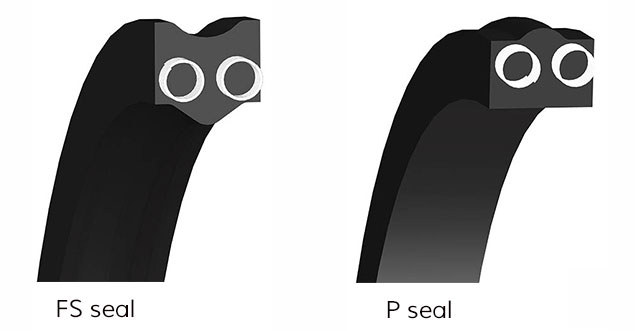
Questa guida spiega le principali differenze tra FS Seals e P Seals, aiutando ingegneri e produttori di apparecchiature a scegliere la soluzione più adatta per le loro applicazioni di testa pozzo.
Che cos'è una FS Seal?
Una FS Seal è una guarnizione statica progettata per apparecchiature di testa pozzo in cui la superficie del casing può avere finiture relativamente ruvide o tolleranze dimensionali più ampie. Crea una tenuta affidabile combinando la compressione dell'elastomero con una tenuta assistita dalla pressione, consentendo di compensare le irregolarità della superficie mantenendo l'integrità della tenuta in condizioni di alta pressione.
Le FS Seals sono comunemente installate in:
La loro capacità di adattarsi a superfici di tenuta imperfette le rende un'opzione preferita per molte applicazioni standard di testa pozzo.
Che cos'è una P Seal?
Una P Seal è una guarnizione per testa pozzo energizzata dalla pressione, progettata specificamente per sigillare lo spazio anulare tra il casing e l'alloggiamento della testa pozzo. È costituita da un elemento di tenuta in elastomero combinato con anelli di supporto anti-estrusione, che possono essere prodotti in acciaio inossidabile a maglia o in acciaio al carbonio pieno a seconda dell'applicazione.
Una volta applicata la pressione del sigillante, l'elastomero si espande contro le superfici di tenuta mentre gli anelli di supporto impediscono l'estrusione in presenza di un'elevata pressione differenziale.
Le P Seals vengono generalmente installate nell'area di tenuta inferiore di un rocchetto di casing o di una testa di tubing per fornire una tenuta ridondante tra l'intercapedine del casing e la connessione flangiata.
FS Seal vs P Seal: differenze principali
|
Caratteristica |
FS Seal |
P Seal |
|
Funzione principale |
Tenuta statica della testa pozzo |
Tenuta statica energizzata dalla pressione |
|
Installazione tipica |
Teste di casing, teste di tubing |
Area di tenuta inferiore del rocchetto di casing o della testa di tubing |
|
Principio di tenuta |
Tenuta per compressione e assistita dalla pressione |
L'iniezione del sigillante energizza l'elastomero |
|
Tolleranza della superficie |
Progettata per superfici del casing ruvide |
Progettata per sigillare casing ruvidi con sigillante iniettato |
|
Design anti-estrusione |
Disponibile a seconda del design |
Il design standard include anelli di supporto |
|
Capacità ad alta pressione |
Eccellente |
Eccellente, soprattutto nelle applicazioni HPHT |
|
Applicazioni tipiche |
Tenuta standard della testa pozzo |
Tenuta ridondante della testa pozzo e barriere critiche alla pressione |
Sebbene entrambe le guarnizioni siano utilizzate in apparecchiature simili, i loro meccanismi di tenuta e i metodi di installazione sono differenti.
Quale guarnizione offre prestazioni migliori ad alta pressione?
Entrambe le soluzioni di tenuta sono adatte per servizi petroliferi ad alta pressione, ma gestiscono la pressione in modi diversi.
Una guarnizione FS si basa sulla compressione meccanica combinata con la pressione del sistema per migliorare le prestazioni di tenuta. Con l'aumento della pressione interna, la guarnizione si innesta più saldamente sulle superfici di accoppiamento.
Una guarnizione P, invece, è attivata dal sigillante. Il sigillante iniettato attiva l'elastomero, mentre gli anelli di supporto integrati forniscono una forte resistenza all'estrusione. Questo design rende la guarnizione P particolarmente efficace nelle applicazioni che richiedono una barriera di tenuta ridondante a pressioni estremamente elevate.
Come differiscono i requisiti di installazione?
L'installazione è un'altra importante distinzione tra i due design.
Le guarnizioni FS vengono installate durante l'assemblaggio della testa pozzo e iniziano a sigillare immediatamente tramite compressione controllata.
Le guarnizioni P richiedono l'iniezione del sigillante dopo l'installazione. Questo ulteriore processo di attivazione consente alla guarnizione di compensare giochi maggiori e mantenere le prestazioni di tenuta anche se le condizioni operative cambiano nel tempo.
A causa di questa differenza, le guarnizioni P vengono spesso selezionate quando gli operatori richiedono un ulteriore livello di sicurezza della tenuta.
Quale guarnizione dovresti scegliere?
La scelta dipende dalle condizioni operative e dal design dell'apparecchiatura.
Una guarnizione FS è generalmente preferita quando:
Una guarnizione P è spesso la scelta migliore quando:
In definitiva, la soluzione appropriata deve essere selezionata in base alla configurazione dell'apparecchiatura, alla pressione nominale, al design della scanalatura di tenuta e alle specifiche API applicabili.
Guarnizioni FS e P personalizzate per apparecchiature per teste pozzo
Presso JST Seals, produciamo sia guarnizioni FS sia guarnizioni P per apparecchiature per teste pozzo API. Le nostre soluzioni di tenuta sono progettate per ambienti impegnativi del settore petrolifero e del gas, dove l'integrità della pressione e una lunga durata di servizio sono essenziali.
Offriamo:
Che sia necessaria una sostituzione standard o una soluzione di tenuta personalizzata, il nostro team di ingegneri può aiutare ad abbinare la guarnizione corretta alle condizioni operative.
Domande frequenti
Le guarnizioni FS e P sono intercambiabili?
No. Sebbene entrambe siano utilizzate nelle apparecchiature per teste pozzo, presentano strutture di tenuta, metodi di attivazione e requisiti di installazione differenti. Devono essere selezionate in base al design dell'apparecchiatura originale e alle condizioni di servizio.
Quale guarnizione è migliore per superfici ruvide del casing?
Entrambi i design sono in grado di sigillare superfici di rivestimento ruvide. Gli FS Seals compensano attraverso il loro profilo di tenuta e la compressione, mentre i P Seals utilizzano sigillante iniettato e anelli di supporto per mantenere le prestazioni di tenuta.
Perché un P Seal utilizza anelli di supporto?
Gli anelli di supporto impediscono all'elastomero di estrudersi negli spazi di gioco sotto alta pressione, migliorando la stabilità della tenuta e prolungando la durata di servizio.
Entrambe le tenute possono essere personalizzate?
Sì. Gli FS Seals e i P Seals possono essere personalizzati in termini di dimensioni, materiale elastomerico e configurazione degli anelli di supporto per soddisfare requisiti specifici delle attrezzature della testa pozzo e delle condizioni operative.
Categorie
Nuovo blog


Per Richieste sui nostri prodotti o del nostro listino prezzi, per favore lasciarci e ci saremo in contatto entro 24 ore.


 No. 1, Xinyu North Road, Ningxi Street, Zengcheng District, Guangzhou, China 511340
© Diritto dautore: 2026 Guangzhou JST Seals Technology Co., Ltd. Tutti i diritti riservati.
Scansiona su WeChat