
 italianoit
italianoit
Cosa sono le guarnizioni P per testate di pozzo e perché vengono utilizzate nei gruppi di testate di rivestimento?
In sistemi di testa di pozzo di petrolio e gas , l'affidabilità della tenuta è fondamentale per mantenere l'integrità della pressione e garantire la sicurezza del pozzo a lungo termine. Tra i vari soluzioni di sigillatura , guarnizioni P della testa del pozzo sono ampiamente utilizzati come guarnizioni statiche nelle teste di rivestimento e nelle bobine di rivestimento, in particolare dove sono presenti ampie tolleranze e superfici di rivestimento ruvide.
Cos'è esattamente un sigillo P per testa pozzo e perché è comunemente specificato nelle apparecchiature per testa pozzo?
Che cosa è un sigillo P per testa di pozzo?
Una tenuta P per testa pozzo è un elemento di tenuta statico energizzato dalla pressione, progettato specificamente per l'uso in apparecchiature per testa pozzo come teste di rivestimento, spool di rivestimento e teste di tubing. Viene solitamente installata nell'area di tenuta inferiore tra l'anello del rivestimento e l'alloggiamento della testa pozzo o la connessione flangiata.
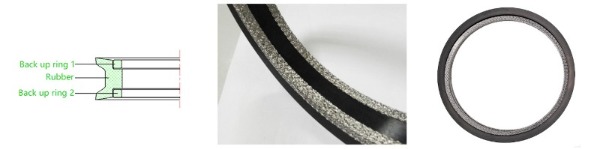
A differenza delle guarnizioni in elastomero convenzionali, una guarnizione P è progettata per sigillare contro superfici di rivestimento ruvide o irregolari e adattarsi alle ampie tolleranze dimensionali comunemente riscontrabili nei rivestimenti dei giacimenti petroliferi.
Come funziona una guarnizione P nelle applicazioni di testa pozzo?
Il meccanismo di tenuta di una guarnizione P si basa sull'attivazione tramite pressione.
Una volta installato, l'elemento di tenuta elastomerico viene energizzato dal sigillante iniettato o dalla pressione del sistema, forzandolo radialmente contro la superficie del rivestimento e il foro della testa pozzo. Per impedire l'estrusione ad alta pressione, la tenuta P incorpora componenti antiestrusione integrati o stampati, spesso supportati da anelli di supporto.
Questa progettazione consente alla guarnizione di:
Mantenere l'integrità della tenuta in condizioni statiche
Compensare l'ovalizzazione dell'involucro e la rugosità superficiale
Funzionano in modo affidabile in ambienti ad alta pressione della testa del pozzo
Dove vengono comunemente utilizzate le guarnizioni P per testate di pozzo?
Le guarnizioni P per testate di pozzo vengono utilizzate principalmente in:
Teste di rivestimento
Bobine di rivestimento
Teste per tubi
In queste posizioni, fungono da tenuta statica primaria o secondaria tra l'anello del casing e il corpo della testa pozzo o la connessione flangiata. In molti progetti di teste pozzo, le tenute P garantiscono una sicurezza ridondante del pozzo, fungendo da barriera aggiuntiva per prevenire la migrazione della pressione o le perdite.
Perché le guarnizioni P sono preferite rispetto ad altri tipi di guarnizioni per testate di pozzo?
Rispetto alle guarnizioni standard in elastomero o ai semplici O-ring, le guarnizioni P per testate pozzo offrono vantaggi distintivi:
Sigillatura ad alta tolleranza: efficace anche con ampi spazi liberi
Capacità antiestrusione: rinforzato da strutture di supporto in metallo o rete metallica
Affidabilità della tenuta statica: ideale per il servizio a lungo termine della testa del pozzo
Compatibilità con rivestimento grezzo: non sono richieste finiture superficiali fini
Queste caratteristiche rendono le guarnizioni P particolarmente adatte alle condizioni di tenuta della testa del pozzo più difficili, in cui le guarnizioni convenzionali potrebbero rompersi.
Quali materiali vengono utilizzati nelle guarnizioni P delle teste di pozzo?
Le guarnizioni P delle teste di pozzo sono comunemente prodotte utilizzando:
Elementi di tenuta in elastomero selezionati per fluidi del giacimento petrolifero e resistenza alla temperatura
Materiali di supporto come rete metallica in acciaio inossidabile o acciaio al carbonio solido per migliorare la resistenza all'estrusione
La scelta del materiale si basa solitamente sulla pressione nominale, sull'intervallo di temperatura e sulle condizioni specifiche del pozzo.
Le tenute P per testa pozzo svolgono un ruolo fondamentale nel mantenimento dell'integrità della pressione e della sicurezza del pozzo nelle operazioni petrolifere e del gas. La loro capacità di sigillare ampie tolleranze, resistere all'estrusione e funzionare in modo affidabile come tenute statiche le rende una soluzione collaudata per i gruppi testa e spool del casing.
Per i produttori e gli operatori di apparecchiature per teste di pozzo, la scelta del giusto design della tenuta P è essenziale per ottenere prestazioni di tenuta a lungo termine nelle difficili condizioni dei giacimenti petroliferi.
Categorie
Nuovo blog


Per Richieste sui nostri prodotti o del nostro listino prezzi, per favore lasciarci e ci saremo in contatto entro 24 ore.


 No. 1, Xinyu North Road, Ningxi Street, Zengcheng District, Guangzhou, China 511340
© Diritto dautore: 2026 Guangzhou JST Seals Technology Co., Ltd. Tutti i diritti riservati.
Scansiona su WeChat